

2026-07-10 14:30:48 sdrert
在 modern industrial society, automation has become a cornerstone of progress. Automation refers to the use of technology to perform repetitive or complex tasks, making it an indispensable tool in modern manufacturing. Among various automation techniques, precoring—a process typically associated with drilling or cutting machinery—plays a pivotal role in enhancing efficiency and productivity. This article explores the significance of automation and precoring in the context of precision engineering, highlighting their synergy and impact on modern industries.
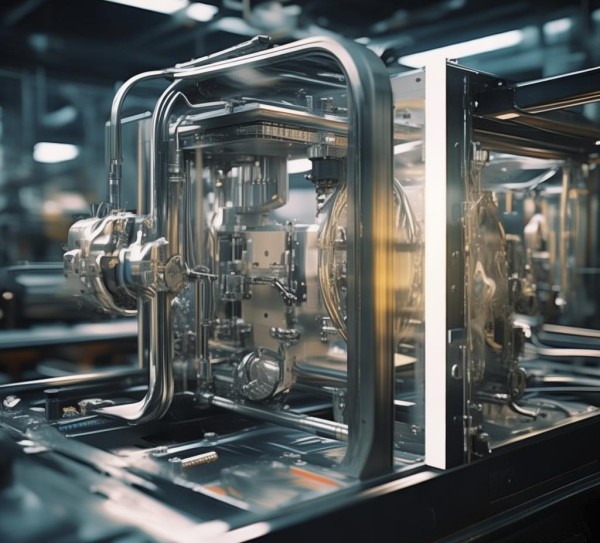
Automation has revolutionized manufacturing by eliminating the need for manual labor. It allows for faster, more accurate, and cost-effective production processes. Precision engineering, on the other hand, focuses on achieving high accuracy and quality in mechanical components. The integration of automation and precision engineering has led to innovations that have transformed industries.
Precoring is a key component of automation. It involves the use of machinery to create precise holes, grooves, or surfaces in materials like metal, plastic, or wood. This process is crucial for ensuring the proper alignment and fit of mechanical parts, which is particularly important in industries such as aerospace, automotive, and construction.
In modern industries, automation and precision engineering are not just tools but integral components of the production process. Precision engineering ensures that components meet stringent requirements, reducing waste and enhancing product quality. This, in turn, supports the efficiency of automation systems.
For instance, in the manufacturing industry, precoring is used to create accurate features on metal parts, which are then used as bearings, gears, or other components. This step ensures that the final product meets the intended specifications, reducing the likelihood of defects.
In the context of precision engineering, automation is often combined with precoring to create complex geometries and features. For example, in the automotive industry, precoring is used to create precise holes in car bodies, which are then used as engine components. This process is critical for ensuring the safety and durability of vehicles.
Moreover, precoring is a fundamental component of precision metrology, which is the science of precise measurement. Advanced metrology tools, such as laser scanning and coordinate measuring systems, are used in conjunction with automation to ensure the accuracy of precoring operations.
The combination of automation and precision engineering offers numerous advantages:
Increased Efficiency: Automation reduces the time and effort required to perform repetitive tasks, allowing for faster production cycles.
Improved Productivity: By automating manual processes, workers can focus on higher-value tasks, such as design and innovation.
Cost-Effectiveness: Automation and precision engineering reduce the need for expensive labor, making production more cost-effective.
Enhanced Quality: Precision engineering ensures that components meet stringent quality standards, reducing the likelihood of defects and improving product reliability.
To illustrate the importance of precoring and automation, consider the following case studies:
Aerospace Industry: In the aerospace sector, precoring is used to create precise features on aircraft wings and fuselage panels. This ensures the structural integrity of the aircraft and reduces the risk of accidents.
Automotive Industry: In the automotive industry, precoring is used to create precise features on car bodies, such as bumpers, doors, and windows. These features are critical for the safety and aerodynamics of the vehicle.
Construction Industry: In the construction sector, precoring is used to create precise features on buildings, such as walls, floors, and ceilings. This ensures the structural integrity of the building and reduces the risk of collapse.
As automation continues to evolve, precision engineering is expected to play an even more significant role. The integration of advanced technologies, such as artificial intelligence and machine learning, will likely enhance the precision of precoring operations. For example, AI can be used to optimize the design of mechanical parts by predicting potential defects and suggesting improvements.
Additionally, the use of non-conventional materials, such as additive manufacturing (3D printing), is expected to complement automation and precision engineering. Additive manufacturing allows for the creation of complex parts with high precision, which can be directly integrated with automation systems.
In conclusion, precoring and automation are not just tools; they are integral components of the modern manufacturing and precision engineering landscape. By combining automation with advanced precision engineering techniques, industries can achieve greater efficiency, productivity, and quality. As automation continues to advance, the role of precoring will only grow more significant, driving innovation and transformation in various sectors.
In summary, the synergy between automation and precision engineering is crucial for driving progress in modern industries. By leveraging automation and advanced precision engineering techniques, industries can optimize their processes, reduce costs, and enhance product quality. This, in turn, supports the future of precision engineering and automation, which are expected to play a central role in shaping the 21st century.
原文链接:https://www.hbssyys.com/dffgghj/8.html
本文版权:如无特别标注,本站文章均为原创。